Lactose-free vs dairy-free protein shakes
Understand the distinction between milk sugar and milk proteins, then interpret the wording on shake labels correctly.
By the Protein Field Guide editorial team · Published October 14, 2026
Labels reviewed October 13, 2026 · Not taste-tested.
Lactose-free and dairy-free answer different questions. A lactose-free milk shake can still contain dairy proteins. A plant-based shake uses a different protein source. Keeping those distinctions clear helps you read product claims without treating a low-sugar number or a brand name as a complete answer.
Milk sugar and milk proteins are separate
NIDDK explains that lactose intolerance concerns difficulty digesting lactose, the sugar naturally found in milk. Milk allergy is an immune response to milk proteins. Removing or breaking down lactose does not remove those proteins from a dairy shake.
That is why a product can say lactose-free and still declare milk in its allergens. These statements are not contradictory. They describe different components of the product and should remain separate fields in a comparison rather than one combined dietary-friendly badge.
Read the exact manufacturer wording
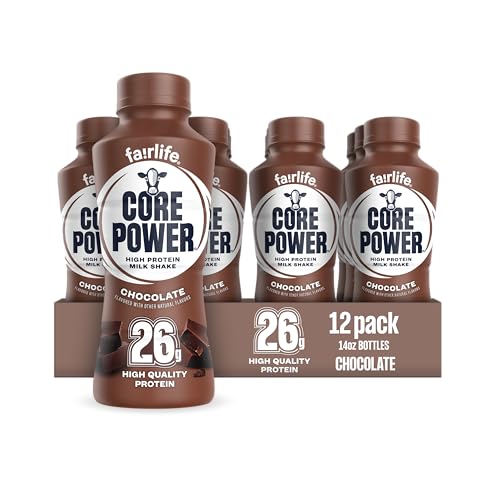
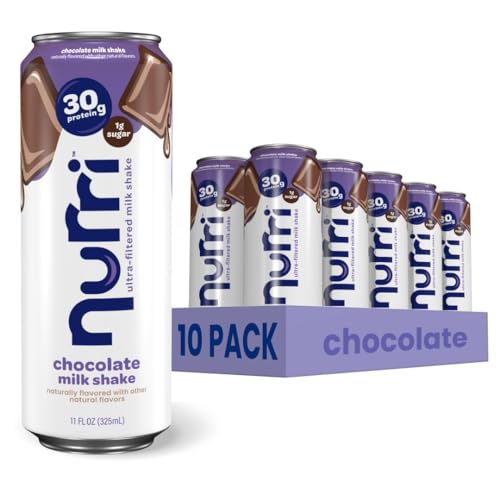
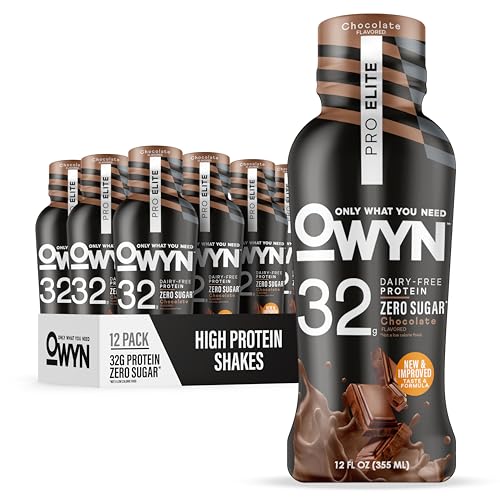
fairlife describes Core Power as lactose-free, and Nurri makes the same claim for the reviewed milk shakes. Both contain milk. OWYN Pro Elite Chocolate is presented as a dairy-free plant-protein product, with pea and pumpkin seed protein in its reviewed formulation.
Abbott uses another formulation of the claim: Ensure Max Protein is described as suitable for lactose intolerance. That wording should be preserved instead of automatically converting it into lactose-free certification. Abbott also says the product is not suitable for people with galactosemia.
Do not infer lactose status from sugar or filtration
Total sugars on a nutrition panel do not tell you the exact amount of lactose in a product. A shake with 1 gram of total sugar is not automatically lactose-free. The source of the protein and an explicit manufacturer statement are more informative than a guess based on one number.
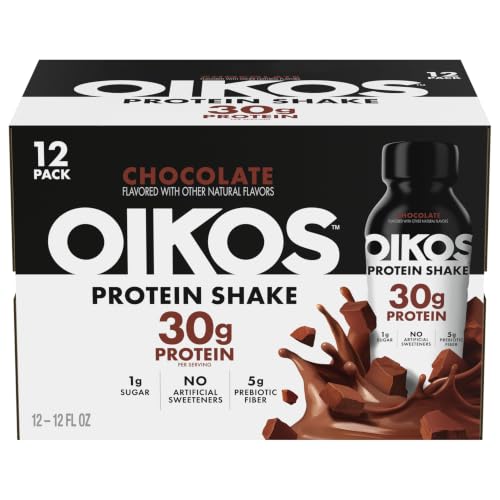
Oikos makes the product-family issue especially clear. Its official FAQ says the shelf-stable Protein Shakes are not lactose-free. Refrigerated Pro drinks and Fusion drinks are distinct lines. A claim attached to one cannot safely be copied across the whole Oikos brand.
Build a more useful shopping checklist
First identify whether you are seeking a manufacturer lactose-free claim, a dairy-free formulation, or information about a specific allergy. Next read the ingredient and allergen statements for the exact flavor and size. Finally confirm that the online listing actually shows that same product.
For a milk allergy, a lactose-free dairy claim does not establish suitability. Plant-based positioning also should not be treated as a blanket guarantee for every allergy or every manufacturing environment. Review the actual package and relevant manufacturer allergen information; personal medical suitability is outside a label comparison.
Formulas can change. The research behind this guide was checked October 13, 2026, and no individual tolerability testing was performed. Use the current package as a final identity check rather than assuming an old review describes the case being shipped today.
Check our sources
Manufacturer information was reviewed October 13, 2026. Formulas can change; your bottle’s label takes priority.